System Integration | Design / Installation
System integration of audio, video and lighting systems
One system, one control
Don't wait.
Describe the space and what the system should do, and we will visit the site and come back with an integration proposal and an estimate, no obligation.
Six steps to a finished system
01 SurveySurvey of needs and space
02 DesignSystem design
03 InstallationInstallation and connection
04 TestingTesting in real conditions
05 TrainingStaff training
06 SupportService and support
System integration of sound, video and lighting, from plan to service
When lighting, sound, screens and projection meet in the same space, someone has to teach them to work together. That is the job of system integration, and it is a job we do from design to handover. Unlike integrators who deal with networks and cameras, we integrate audio and video technology and light, equipment we choose, install, program and later service ourselves. With us, buying the equipment is part of the service, not the whole service. The word integration sounds abstract until the first time you see a hall where light, sound and picture come on with a single button.
What we connect into a whole
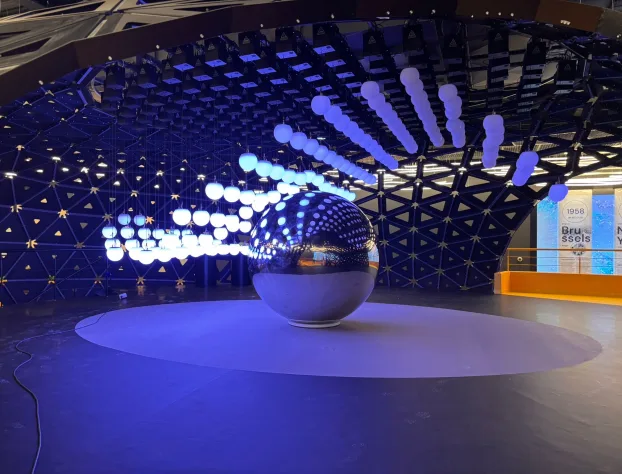
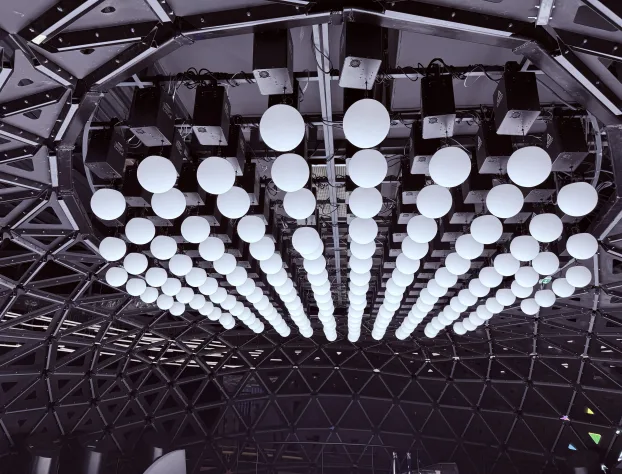
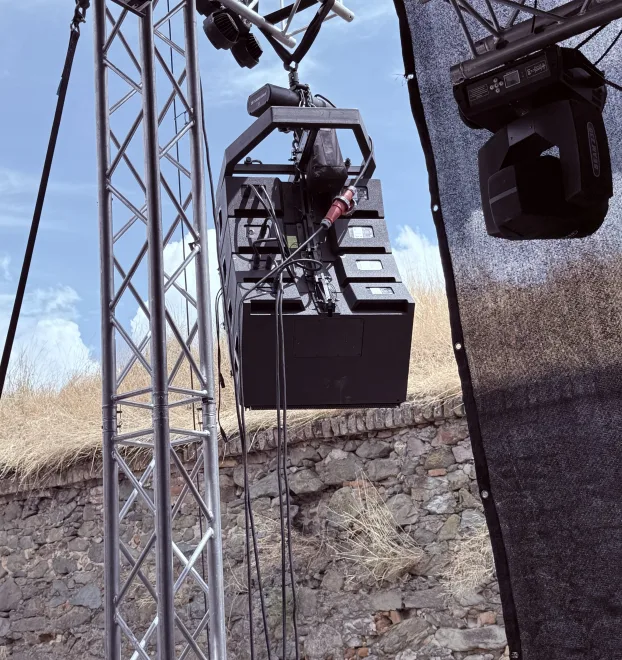
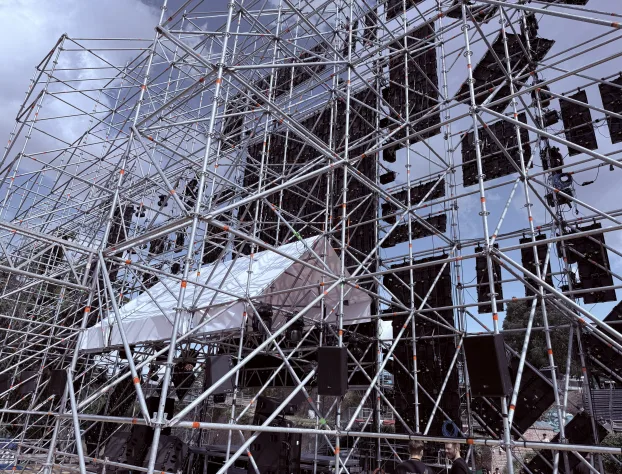
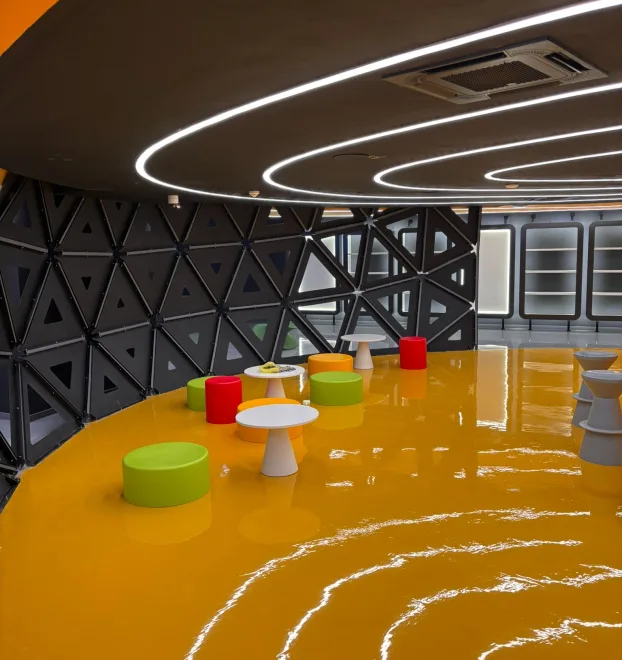
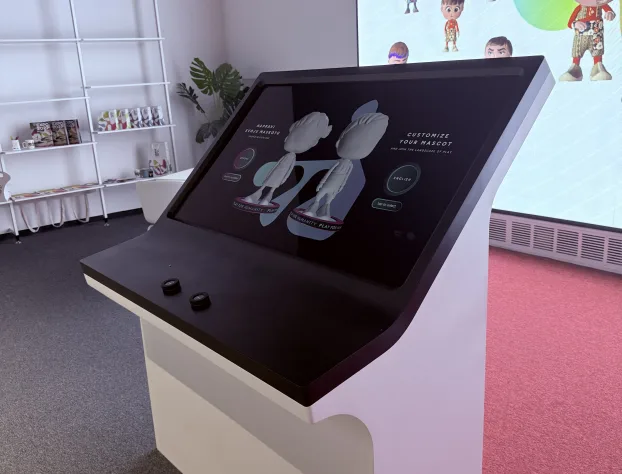
Into one system we tie zoned sound, stage and ambient lighting, LED screens, projection, signal sources and control electronics, with controls that fit on a single panel or a phone. For conference rooms we install technology that works with video meeting platforms and does not need a technician for every switch-on. Cafés, restaurants and banquet halls get scenes for different parts of the evening, music, speech, celebration, each on its own button. We also do museums, galleries, shopping malls, clubs and stages, and for every space the same rule applies, equipment is chosen by purpose, not by stock. When a part of the system does not exist on the market or does not fit the space, it helps that we manufacture the electronics ourselves, and mounts and enclosures are made by our CNC workshop.
A room to measure, from small to large
In a small meeting room a screen, a camera and sound that switch on with a single touch are enough; a medium one adds tabletop microphones and lighting control, while a large conference hall calls for zoned PA, multiple screens and signal routing. The same rule applies to all three; the system must work when someone who does not know the technology and has no time to learn it walks into the room. That is why after installation we test the system with the people who will use it, not just with instruments, and refine it until the controls become obvious.
How the job unfolds, from survey to handover
Everything starts with a survey of the space and a conversation about what the system must be able to do. Then comes a design with an equipment list, the way it is controlled and a clear price, followed by installation and connection, testing in real conditions and training for the people who will operate the system daily. In the end you get not just an installation but also documentation, one phone number for support and a service that knows the system, because it built it. The price depends on the size of the space, the scope of the equipment and the programming, and it is always itemized, so you see exactly what you are paying for and where you can save without consequences. For venues that must not stop, we plan the installation outside working hours, so the works and the business do not collide.
Upgrading instead of tearing down
Integration does not necessarily mean new equipment. Existing speakers, fixtures and screens are often worth keeping, so we build the system around them, add control, replace the bottleneck and teach the old and the new to work together. Typical market practice is the opposite; the seller offers to replace everything, because they sell boxes, not a solution. We earn our money from the system working, so it is in our interest that it works as long as possible, which is why every integration comes with service and maintenance under an agreed regime. Before every decision you also get a comparison, what replacement brings and what an upgrade preserves, in money and in timelines. Our base is in Belgrade, we work across Serbia, and we deliver integrated systems to projects across Europe and Asia as well.
If your space already has technology that will not listen, or you are just planning a hall, a venue or an installation, describe what the system needs to be able to do. We come out, take a look and return a proposal with a price and a timeline, and the first conversation and site visit cost you nothing. Let's talk about your project before a single device is bought; that is when the room for a good decision is greatest.
NEXT STEPS